

{
“title”: “Sage – The Herbaceous Aromatic Staple Of Modern Perfumery”,
“content”: “
Sage – The Herbaceous Aromatic Staple Of Modern Perfumery
Sage, scientifically known as Salvia officinalis, is a shrubby, aromatic herb native to Southern Europe and the Mediterranean coastline. Revered for centuries for its medicinal properties, culinary uses, and distinctive scent, it has earned a permanent place in the ingredient portfolios of leading perfumers around the world.
The name \”sage\” derives from linguistic roots tied to wisdom, a nod to its historical reputation as a plant of healing and clarity. For millennia, it has held ceremonial significance across cultures, used in purification rituals to cleanse spaces and dispel negative energy, a tradition that endures in modern wellness practices today.
In the world of fragrance, sage ranks among the most popular herbal notes, appearing in over 5.5% of top-selling perfumes according to industry data. Its versatile profile makes it a core component of aromatic and fougère compositions, as well as a frequent addition to woody spicy formulations tailored for all genders.
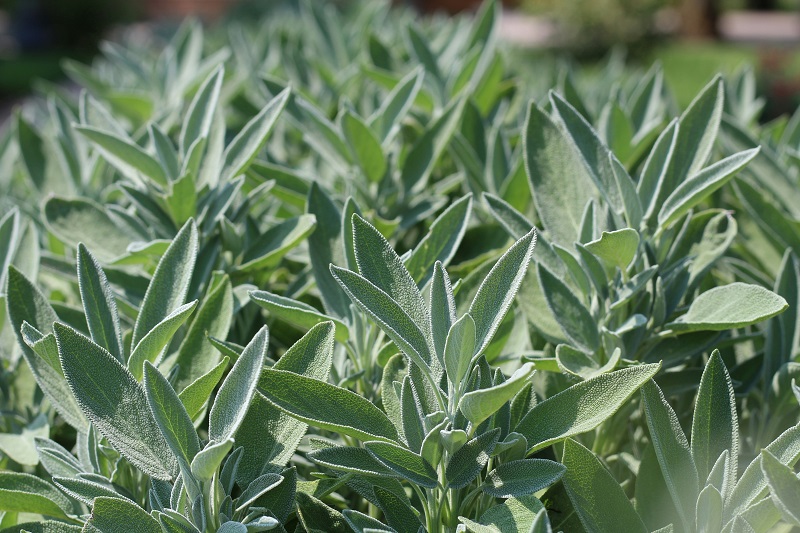
What Does Sage Smell Like?
The aroma of sage is distinctly herbaceous, with bright, cooling top facets reminiscent of camphor, balanced by subtle earthy undertones and a hint of sweet, floral softness that sets it apart from sharper herbal counterparts like basil or mint. Clary sage, a closely related variety, offers a slightly more rounded profile, with added musky depth that enhances its longevity in fragrance blends.
Its scent is often described as refreshing and grounding, with an invigorating quality that makes it ideal for both daytime and evening formulations. It pairs exceptionally well with citrus notes like bergamot and lemon, herbal counterparts like rosemary and lavender, and warm base elements including amber, sandalwood, and cedarwood, creating complex, multi-layered olfactory experiences.
While sage essential oil contains naturally occurring thujone, all commercial fragrance formulations adhere to strict safety guidelines, with concentrations kept well within recommended limits for consumer use. Fragrance duplication specialists carefully calibrate sage levels in existing formulations to match the original profile while maintaining full regulatory compliance.
Where Does Sage Come From?
Sage is commercially cultivated across the Mediterranean region, as well as in temperate zones of North America and Eastern Europe. The essential oil is typically extracted through steam distillation of the plant’s leaves and flowering tops, a process that preserves its delicate aromatic compounds while concentrating its signature scent.
Harvesting timelines are carefully scheduled to maximize the oil’s aromatic potency, with leaves collected just before the plant blooms when essential oil concentrations are at their peak. Different distillation durations produce variations in the final oil profile, allowing perfumers to select specific grades tailored to their formulation needs.
Wholesale fragrance oil suppliers source both common sage and clary sage extracts from trusted, sustainable farms, ensuring consistent quality for large-scale production of perfumes, personal care products, and home fragrance lines.
The Many Benefits of Sage
Beyond its olfactory appeal, sage has long been valued for its aromatherapeutic properties. Its invigorating scent is known to promote mental clarity, reduce feelings of stress, and create a sense of calm focus, making it a popular choice for wellness and relaxation products.

In home fragrance applications, sage’s fresh, cleansing aroma is particularly well-suited for aroma diffuser oil blends, where it can transform living spaces, offices, and hospitality environments with its uplifting character. It is also a common ingredient in scented candles, linen sprays, and reed diffusers designed to create a serene, welcoming atmosphere.
For perfume brands, sage offers remarkable versatility, working equally well in unisex aromatic blends, masculine woody spicy fragrances, and even light, fresh feminine compositions. Its ability to bridge bright top notes and warm base notes makes it a valuable foundational ingredient for a wide range of fragrance concepts.
At OGGNE Aroma, our master perfumers craft a diverse range of sage-infused fragrance products for every application, from fine perfumes to home fragrance solutions and scented candle oil formulations. We work closely with clients to develop custom blends that highlight the unique, versatile character of this timeless herbal note.
The enduring popularity of sage in perfumery and fragrance applications is a testament to its timeless appeal and multifaceted profile. Whether used as a bright top note, a grounding middle note, or a subtle supporting element, it adds depth, freshness, and character to every formulation it graces. If you are looking to incorporate sage into your fragrance offerings, contact us today to work with our team of expert perfumers on a bespoke solution tailored to your brand’s vision.
“,
“description: “Explore the aromatic profile, origins, and versatile uses of sage, a beloved herbal note in perfumery prized for its fresh, earthy scent and aromatherapeutic benefits for fragrances and home products.”,
“fragrance_family”: “Aromatic”
}